
Leading Foundation Repair Products For Structural Integrity
Select from trusted products aimed at restoring and maintaining your home's structural safety and strength.
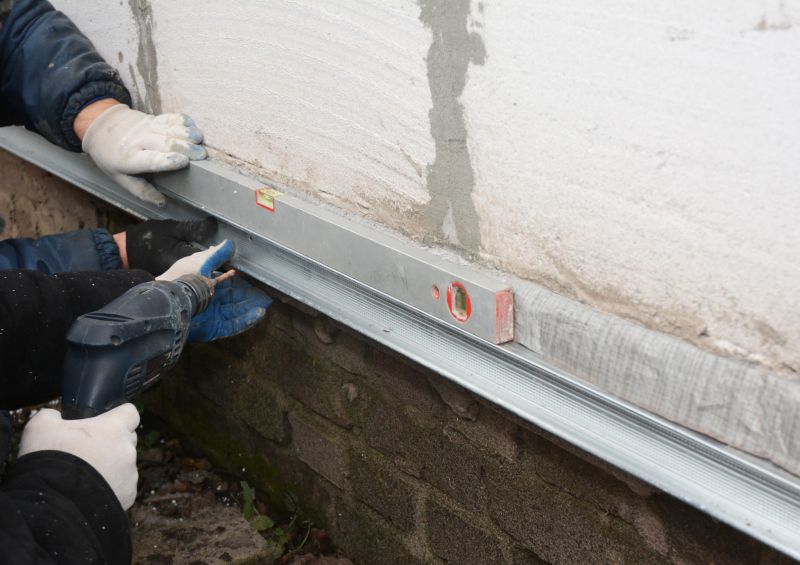 Foundation repairs are a critical aspect of maintaining the structural integrity of any building. When issues such as cracking, settling, or shifting occur, it is essential to identify the appropriate products to address these concerns effectively. In Shawano, WI, homeowners and contractors often seek reliable solutions that can adapt to varying soil conditions and foundation types. Selecting the right repair products can help prevent further damage and extend the lifespan of the structure.
Top Overall Option
Polyurethane Foam Injection System
A polyurethane foam injection system is a versatile solution used to lift and stabilize foundations affected by soil settlement or minor cracking. It involves injecting expanding foam beneath the foundation to fill voids and provide support, helping to restore stability. This method is often appreciated for its minimally invasive application and quick curing time, making it suitable for various foundation types and damage extents.
Types of Products For Foundation Repairs
Hydraulic Push Piers
Used to stabilize and lift sinking foundations by inserting and hydraulically expanding piers beneath the footing.
Helical Piers
Rotated into the ground to provide support for settling structures, suitable for various soil conditions.
Polyurethane Foam Injection Kits
Injects expanding foam to fill voids and lift the foundation with minimal disruption.
Epoxy Crack Sealants
Used to seal and stabilize foundation cracks, preventing water intrusion and further damage.
Carbon Fiber Reinforcement
Applied to interior walls to reinforce and prevent further cracking or bowing.
Mudjacking / Slab Jacking
Lifts sunken concrete slabs by injecting a slurry beneath them to restore levelness.
Soil Stabilization Grouts
Injected into the soil to improve load-bearing capacity and reduce settlement.
Underpinning Systems
Provides additional support by extending the foundation depth or width to more stable soil layers.
Drainage and Waterproofing Products
Prevent water-related foundation issues by improving drainage and sealing foundation surfaces.
Concrete Patching Materials
Used for repairing surface cracks and spalls in concrete slabs and walls.
Steel Supports and Columns
Provide additional vertical support for compromised structural elements.
Drainage Systems
Improve site drainage to reduce soil erosion and foundation stress.
Vapor Barriers
Installed to control moisture and prevent water vapor from affecting foundation stability.
Grout Injection Systems
Injected to fill voids or stabilize loose soil around the foundation.
Soil Replacement Materials
Used to replace or reinforce weak soil zones beneath the foundation.
Popular Choices
Commonly used for lifting and stabilizing sinking foundations with reliable support.
Frequently chosen for sealing and repairing foundation cracks to prevent water intrusion.
Popular for quick and minimally invasive foundation lifting and stabilization.
Often used to restore levelness to sunken concrete slabs around the property.
Chosen for their ability to support and stabilize foundations in a variety of soil conditions.
Selected for interior wall reinforcement to prevent further cracking or bowing.
Popular for preventing water-related foundation issues and enhancing drainage.
Used to improve soil stability and reduce future settlement risks.
Frequently installed to provide additional vertical support in compromised areas.
Commonly used to control moisture and protect foundation surfaces.
Often applied for surface crack repairs and minor spall fixes.
Popular for improving site drainage and reducing soil erosion around foundations.
Foundation repair products encompass a wide range of options, from simple crack fillers to advanced underpinning systems. Each type is designed to target specific issues, whether it involves stabilizing a settling foundation or sealing cracks to prevent water intrusion. Proper assessment and choosing suitable products are vital steps in ensuring a durable and safe repair process.
It is important to consider the compatibility of repair products with the existing foundation materials and the severity of the damage. Professional consultation can help determine the most appropriate approach, but understanding the available options allows homeowners to make informed decisions. Investing in quality products and understanding their application can lead to more effective and long-lasting repairs.
In Shawano, WI, where soil conditions can vary, selecting versatile and adaptable foundation repair products is especially important. From hydraulic jacking systems to epoxy injection kits, the range of available solutions provides options for different repair needs. Proper installation and maintenance further ensure that these products perform as intended, safeguarding the structure for years to come.
Key Buying Considerations
- Assess the severity and type of foundation issue to select appropriate products.
- Compatibility of repair materials with existing foundation surfaces and materials.
- Soil conditions and how they influence the choice of stabilization or support systems.
- Ease of application and whether professional installation is recommended.
- Long-term durability and whether the product has a proven track record in similar conditions.
- Cost-effectiveness balanced with quality and expected lifespan.
- Potential impact on landscaping or existing structures during installation.
- Manufacturer reputation and availability of customer support or warranties.
- Environmental factors such as moisture levels and drainage needs.
- Local building codes and regulations that may influence product selection.
- Accessibility of the repair site for equipment and materials.
- Compatibility with future repair or reinforcement plans.
- Impact on property value and resale considerations.
- Ease of maintenance and ongoing inspection requirements.